Skip to content
Stan Consulting

Facebook and Meta Ads tool comparison | Updated July 28, 2026

Best Facebook and Meta Ads tools, ranked by campaign stage

A small ad account should use Meta's free research, tracking, and campaign tools before paying for automation. A paid rule engine can scale good controls, but it can also scale a bad decision.

Start here

Best Facebook Ads tool by stage

Meta Ad Library is the best first tool because it can improve the offer before a dollar is spent.

Use Ad Library to study the current market. Use Events Manager to test the real conversion signal. Use Ads Manager to build and control the campaign. Add Birch only when the spend, number of accounts, and repeated rule work justify another paid system.

How this list is ranked: 30% ability to prevent wasted spend, 25% usefulness before or during launch, 20% direct access to Meta data, 15% setup burden, and 10% value at a small account size.

Four useful tools

Research, run, measure, then automate.

The order matters. Ad Library helps with market research. Ads Manager runs the campaign. Events Manager checks the signal. Birch can automate repeated rules when spend and account count justify it.

1 of 4
#2 Best for signal verification

Meta Events Manager, Pixel, and Conversions API

Choose Events Manager before launch to confirm the browser or server event arrives once, carries the right details, and matches the business action.

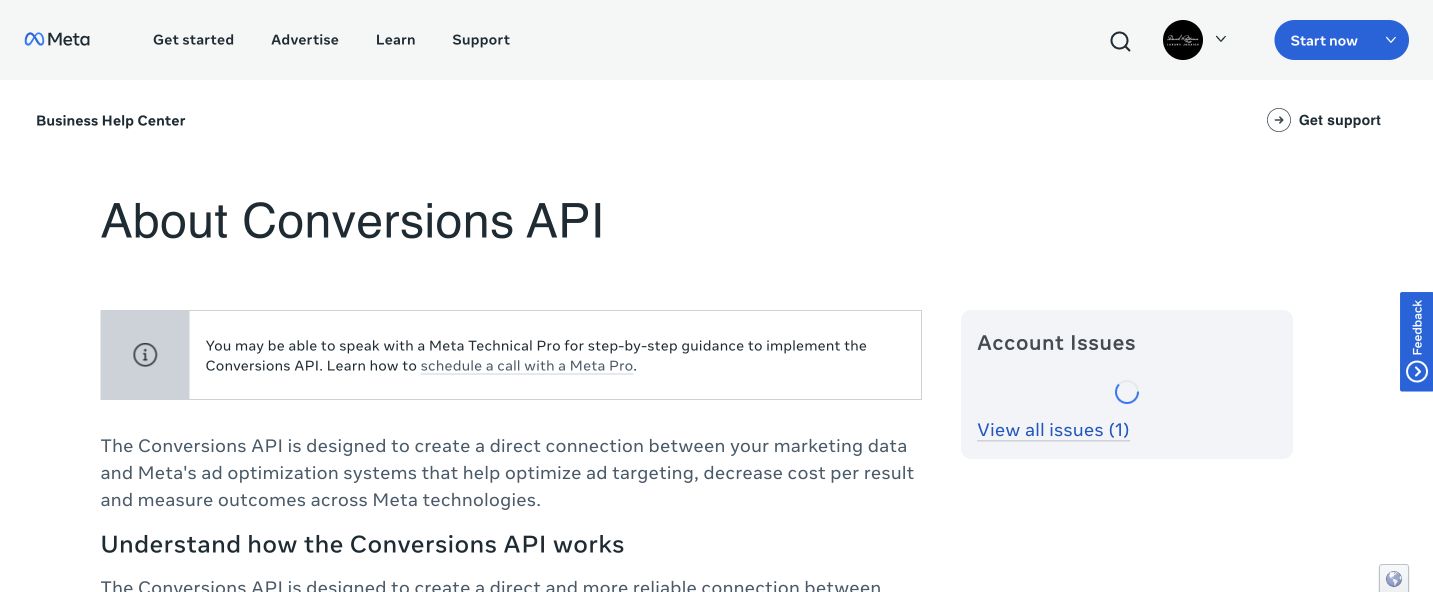
Official Meta Conversions API and Events Manager help page
Official product or pricing page checked July 28, 2026
Starts at
No Meta tool fee; setup may cost extra
Choose it
It is Meta's direct surface for testing and diagnosing event signals.
Skip it
You will count a page view or button click as a qualified lead without checking the outcome.

A campaign cannot optimize reliably for an event the site sends badly.

#3 Best for campaign control

Meta Ads Manager

Choose Ads Manager when campaigns, budgets, audiences, placements, creative, delivery, and results need full advertising controls.

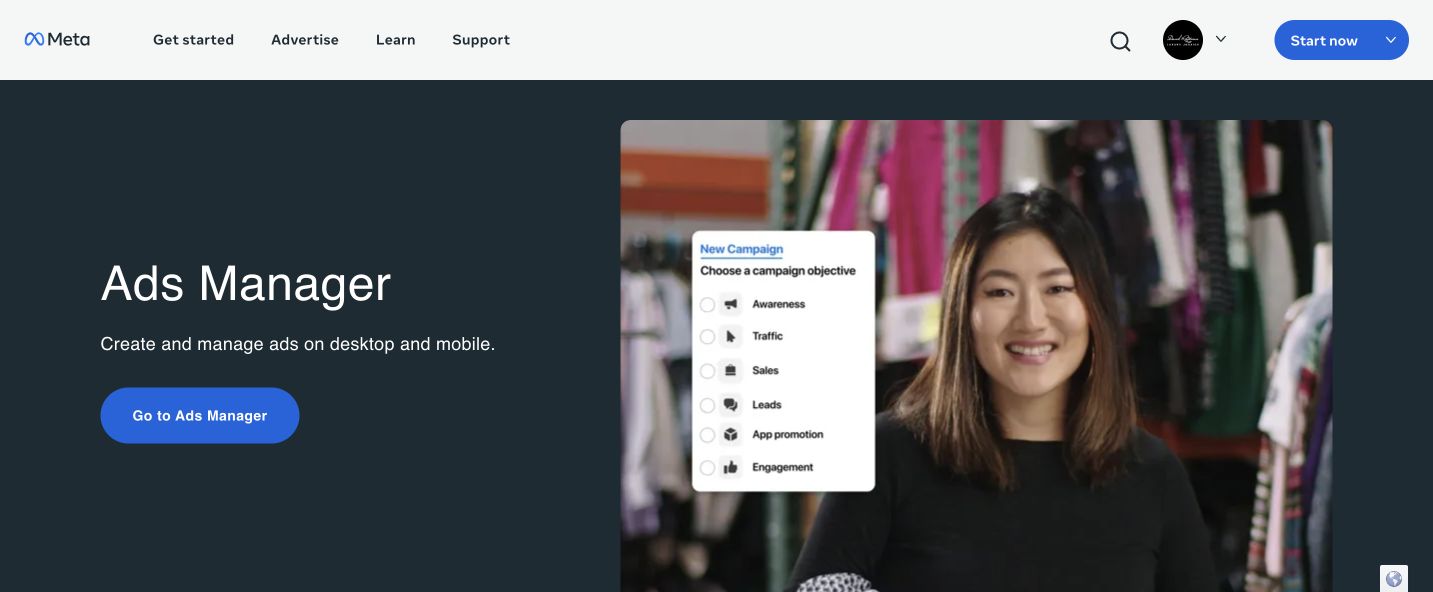
Official Meta Ads Manager product page
Official product or pricing page checked July 28, 2026
Starts at
No tool fee; ad spend is separate
Choose it
It is Meta's primary campaign interface and has no separate subscription fee.
Skip it
You only need public competitor research or simple organic post scheduling.

Use Ads Manager for advertising decisions. Business Suite is a lighter inbox and publishing surface.

#4 Best for repeated rule automation

Birch, formerly Revealbot

Choose Birch when repeated budget, pause, alert, and reporting rules consume enough operator time to justify a paid tool.

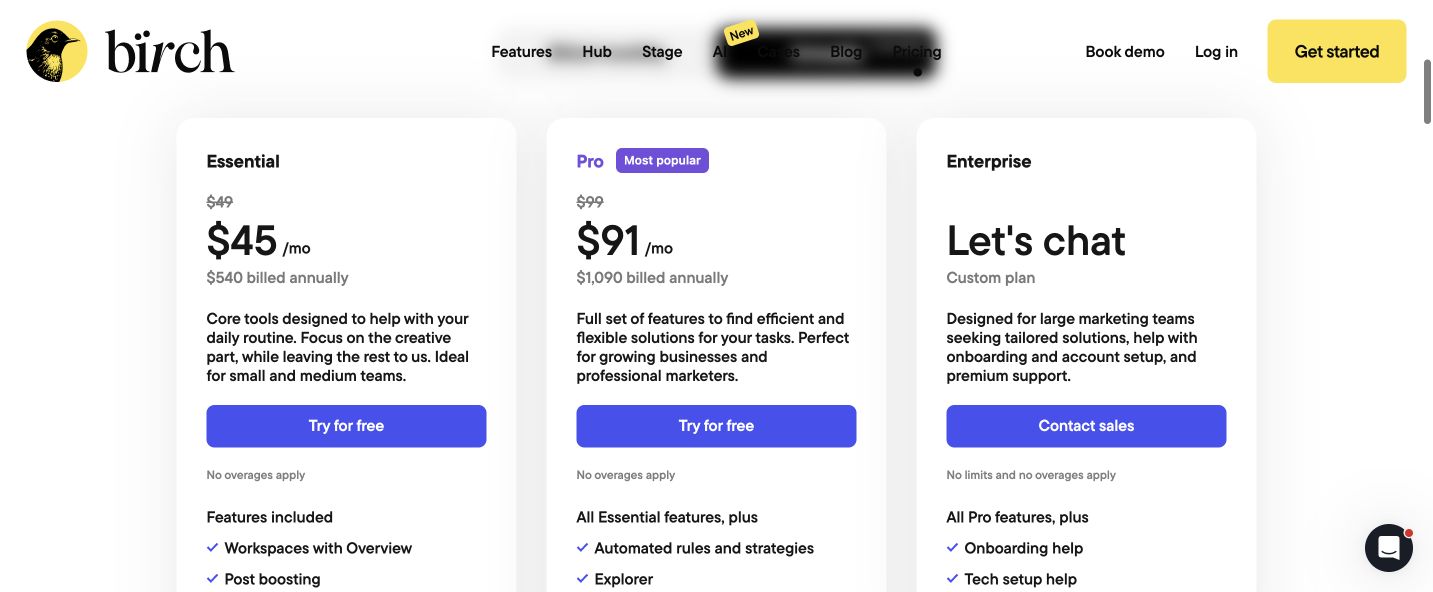
Birch official pricing page showing current Meta ad automation plans
Official product or pricing page checked July 28, 2026
Starts at
$49/mo Essential or $99/mo Pro at the first spend tier
Choose it
It provides cross-platform rules and scheduled reporting beyond simple native routines.
Skip it
Spend is small, conversion tracking is weak, or the rule has not been proven manually.

Automation belongs last. It multiplies the rule you give it, including a bad one.

Meta Ad Library: setup, limits, and where to look
What it does
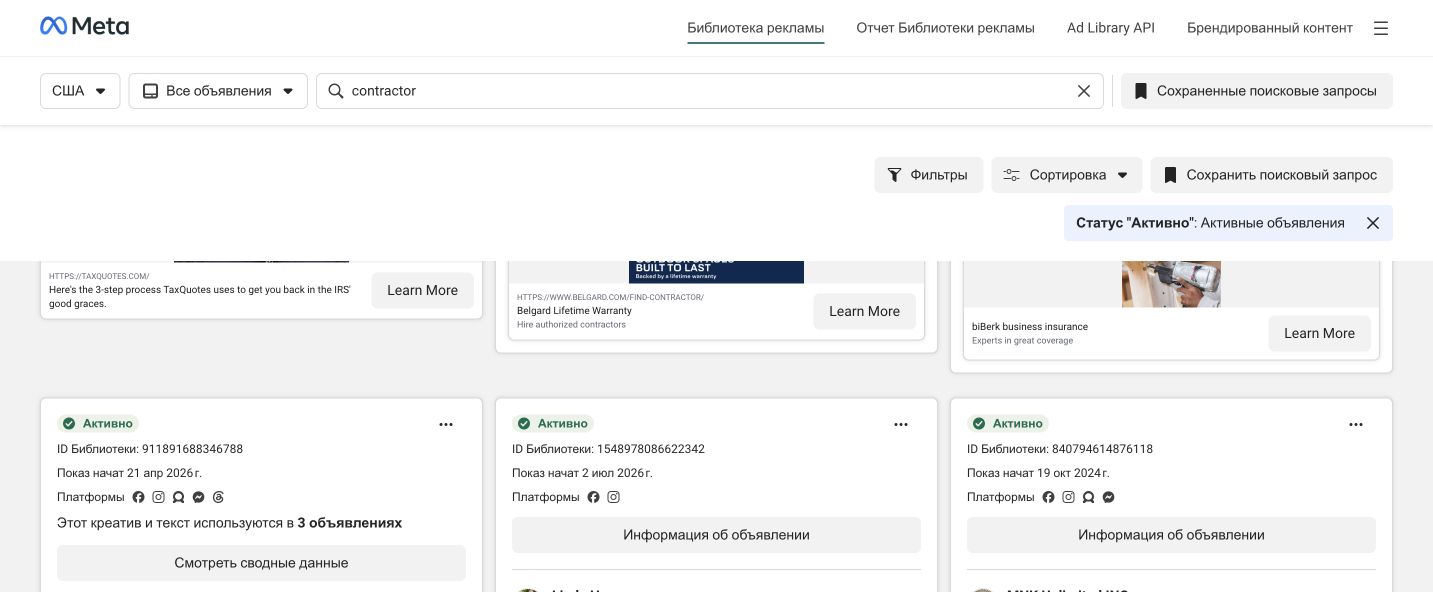
Ad Library is Meta's public search for active commercial ads running across its products, with advertiser, start-date, format, call-to-action, and destination clues.
Price
Free. No ad account or media spend is needed for basic public searches.
Where to look
Use Filters, active status, platform, media type, language, and See ad details. The card shows a library ID and start date.
Limits
Normal commercial ads are mainly active-only. It does not show true spend, profit, targeting, leads, or cost per result.
Alternatives
Google Ads Transparency Center, TikTok Creative Center, or Foreplay.

Verify the current product and price

Run one real test

  1. Choose the country and All ads.
  2. Search a company, Page, service, product, or customer problem.
  3. Filter to active ads, platform, media type, and language.
  4. Record the advertiser, start date, offer, format, call to action, and destination.
  5. Open the destination page and compare whether it keeps the same promise.
Meta Events Manager, Pixel, and Conversions API: setup, limits, and where to look
What it does
Events Manager connects, tests, and diagnoses website actions. Pixel sends browser events. Conversions API sends events through a server or partner connection.
Price
No Meta tool fee. A partner app, gateway, server, tag manager, or developer may add cost.
Where to look
Open Events Manager > Data sources, choose the dataset, and use Overview, Test Events, Diagnostics, and Event Match Quality.
Limits
It does not bypass consent, law, browser rules, or Apple controls. Bad names, values, currencies, or deduplication can damage reporting and optimization.
Alternatives
Google Tag Manager with GA4, Stape, or Elevar.

Verify the current product and price

Run one real test

  1. Connect Web data and create or choose the correct dataset and Pixel.
  2. Install through a supported partner, gateway, or reviewed manual setup.
  3. Add Conversions API where appropriate and use matching IDs for deduplication.
  4. Open Test Events and complete the real form, call, booking, or purchase.
  5. Fix Diagnostics before using the event as the campaign goal.
Meta Ads Manager: setup, limits, and where to look
What it does
Ads Manager creates, publishes, manages, and measures Facebook and Instagram campaigns at the campaign, ad-set, and ad levels.
Price
No subscription fee. A payment method and ad budget are required to run ads.
Where to look
In the results view, use Columns > Customize columns. Save useful fields, then use Breakdown for placement, age, device, and time.
Limits
Attribution is modeled and can update later. Small budgets may not create enough events. Advantage+ can reduce manual visibility, and the interface changes often.
Alternatives
Meta Business Suite, Birch, or Madgicx.

Verify the current product and price

Run one real test

  1. Select Create and choose the objective tied to the real business result.
  2. Declare the special ad category when required.
  3. At the ad-set level, set conversion location, budget, schedule, audience, and placements.
  4. At the ad level, choose the correct Page and Instagram account, then add the creative and destination.
  5. Preview every placement, confirm tracking, then Publish.
Birch, formerly Revealbot: setup, limits, and where to look
What it does
Birch adds cross-platform rules that pause, scale, or notify based on performance, plus creative analysis and bulk launch work.
Price
At up to $10,000 in connected monthly ad spend, Essential is $49 per month or $45 monthly billed annually. Pro is $99 per month or $91 monthly billed annually.
Where to look
Use Automated Rules for logic, Activity for what changed, and Explorer > Individual Ads for creative performance.
Limits
At small spend, it can cost more than the time it saves. Pricing uses total connected spend and overages can apply. A bad rule can scale a mistake quickly.
Alternatives
Meta automated rules, Madgicx, or Optmyzr.

Verify the current product and price

Run one real test

  1. Connect the intended ad account and choose Meta.
  2. Create one notification rule before allowing automatic changes.
  3. Choose the exact campaign, ad-set, or ad level and a real time frame.
  4. Preview every item the rule would touch and add hard limits.
  5. Activate it, then check Activity after the first run.

Quick cost check

The basic Facebook Ads tool stack is free

Ads Manager, Ad Library, Events Manager, Pixel, and Conversions API have no Meta tool subscription. The media budget, partner gateway, server work, or developer setup may still cost money.

ToolStart costUse it whenDo not buy it when
Meta Ad LibraryFreeYou need current market and creative examples.You want proof of a competitor's performance.
Meta Events Manager, Pixel, and Conversions APINo Meta tool fee; setup may cost extraMeta needs a tested lead or purchase signal.You expect tracking to fix the offer or page.
Meta Ads ManagerNo tool fee; ad spend is separateYou are creating or managing Facebook and Instagram campaigns.You need public competitor research only.
Birch, formerly Revealbot$49/mo Essential or $99/mo Pro at the first spend tierRepeated work across enough spend or accounts justifies automation.The account is small or the measurement is still unreliable.
At a small monthly ad budget, use Meta's free tools and spend the saved money on stronger creative, a better destination page, and fast lead follow-up.

Start here

The basic Meta stack has no tool fee.

Meta's main management, research, and tracking tools do not charge a software subscription. The ad budget and the time or technical work needed to use them are separate.

Step 1

Study the market

Use Ad Library to see live offers, formats, start dates, calls to action, and destination pages. Do not assume a visible ad is profitable.

Step 2

Test the real action

Use Events Manager to confirm the lead, purchase, or booked action before asking Meta to optimize for it.

Step 3

Run and read the campaign

Use Ads Manager columns and breakdowns. Add paid automation only when repeated account work is large enough to justify it.

Keep it current

Where to look when a tool or rule changes.

Prices, screens, ad rules, and AI search behavior change. We keep short dated updates in Pulse and real observations in Notes. Use this guide for the setup. Use those pages for what changed.

The Meta interface and Advantage+ controls change often. Recheck the live screen and preview every placement before publishing.

Next guide

Keep going only if you need it.

See all services